Skip to content
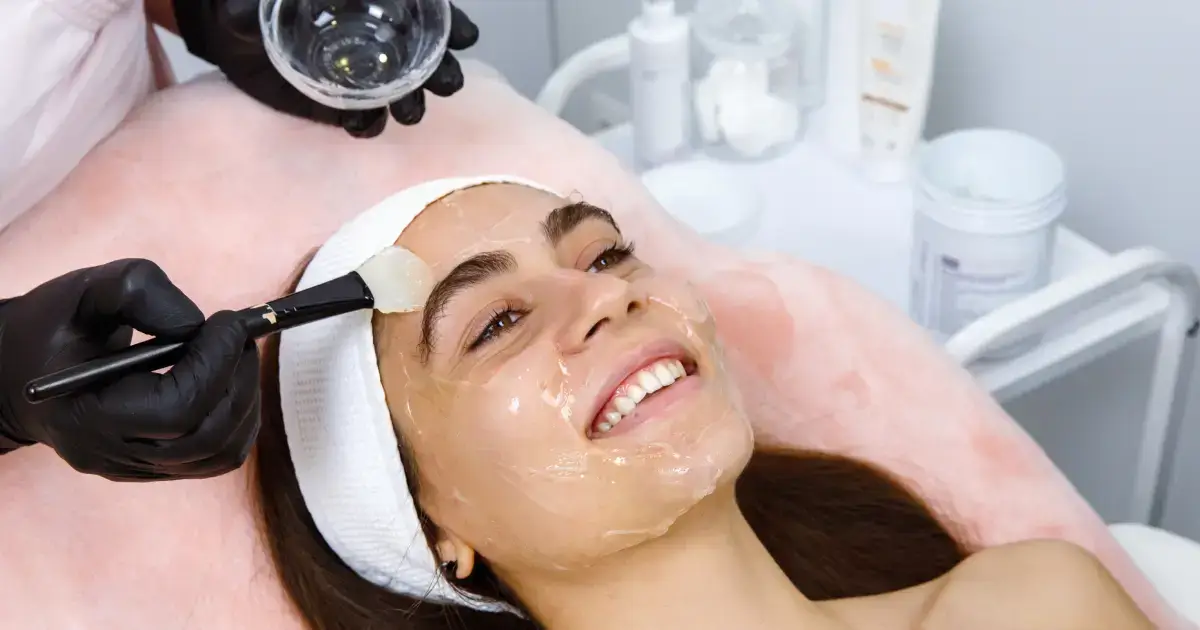
Table of Contents
Many adults reach a point where their skincare routine no longer gives the results they want. Fine lines start to show, old acne marks linger, or the skin simply looks dull, no matter what products they use. These issues can be frustrating, especially when you’re looking for something that delivers real change without a lengthy recovery period. On top of that, there’s often uncertainty about what is safe, what actually works, and how to choose between the many treatments available.
This is where chemical peels stand out for people who prefer results that come from a combination of science and professional care. At Skin Logic, clients often ask how these treatments work and whether they’re suitable for their skin concerns. They want to understand how exfoliation relates to skin renewal, what happens during the process, and what improvements they can expect afterward. This blog breaks it down in a clear, straightforward way, especially for adults who want noticeable changes without having to guess their way through treatment options.
What is a Chemical Peel?
A chemical peel is a treatment that uses gentle acids to lift away old skin cells and help fresh ones come to the surface. The idea is similar to exfoliation, but instead of scrubbing the skin, the peel encourages a controlled reaction that removes buildup more evenly and effectively. Because the solution reaches layers that typical exfoliators can’t, the skin responds with better tone, smoother texture, and a healthy-looking glow.
Different types of chemical peels offer various levels of exfoliation. Some offer a light refresh for surface concerns, while others address deeper issues such as acne marks, discoloration, or more noticeable signs of aging. What makes chemical peels appealing is that the process supports natural renewal rather than relying on harsh methods that can irritate the skin.
How Chemical Peels Work
Every chemical peel starts with an acid solution that interacts with the outer layer of the skin. These acids loosen the bonds that hold dead skin cells in place, helping them shed more easily. As these old cells lift away, the skin underneath begins to rise to the surface. This is the heart of the chemical peel exfoliation process, and it’s the reason peels can refresh the skin far more effectively than scrubs or at-home products.
The treatment begins with cleansing. Once the skin is clean, the solution is applied and left on for a short period. Clients may feel mild tingling or warmth. This is normal and simply signals that the ingredients are working. After the appropriate time has passed, the solution is either neutralized or removed.
The days that follow are when the real changes happen. Depending on the peel’s strength, the skin may appear slightly dry or flaky as the old layer breaks down. Beneath that layer is newer skin that looks brighter and smoother. This natural turnover supports long-term improvement, especially when treatments are done in a series.
Types of Chemical Peels
There are several types of chemical peels, each suited for different concerns and comfort levels. Understanding these options helps you match your skin goals with the right level of exfoliation.
Superficial peels are the lightest. They work on the top layer of skin and are great for mild discoloration, dullness, and uneven texture. These peels don’t cause significant peeling, and downtime is usually very minimal. This is the type most often used at Skin Logic because it delivers visible results without disrupting your daily routine.
Medium peels reach deeper layers of the skin and are commonly used for stubborn spots, old acne marks, and more pronounced textural issues. These may require a few days of downtime, depending on the skin’s response.
Deep peels go further into the skin and target more advanced concerns. These require careful monitoring and more prolonged recovery, which is why they are less commonly chosen unless necessary.
Choosing the right peel isn’t about guesswork. A professional evaluates your skin, your goals, and how your skin typically reacts to products to help you choose the safest and most effective option.
Benefits of Chemical Peels
One of the biggest appeals of chemical peels is how well they support both immediate and long-term skin improvement. The benefits of chemical peels for the skin include a smoother texture, a more even tone, and a fresh, radiant look. Many clients notice their makeup goes on more smoothly, their skincare products absorb better, and their skin feels better overall.
For those dealing with acne marks or early signs of aging, peels help soften these areas by encouraging the skin to renew itself more effectively. The controlled exfoliation stimulates healthier skin activity, and the results build with each session. This is what people refer to as skin renewal with chemical peels, and it’s one of the main reasons these treatments are consistently popular.
Changes aren’t limited to the surface. Over time, repeated peels promote better balance, less congestion, and a brighter appearance that lasts longer than a quick facial or at-home scrub.
What to Expect: Before, During, and After
Before your treatment, the skin is evaluated to ensure the peel suits your concerns and sensitivity level. You’ll be given simple instructions to follow, such as avoiding strong exfoliants or retinol for a short time before your appointment.
During the peel, the solution is applied evenly and left on for the required time. Clients typically report a warm or tingly sensation. It’s temporary and fades quickly once the peel is neutralized. The entire treatment is usually short and comfortable.
Afterward, the skin may be slightly pink or sensitive. Peeling varies based on the peel strength. Superficial peels often result in minimal flaking, if any. Medium peels may lead to more noticeable shedding around the nose, mouth, or chin. This is normal and part of the renewal process.
Seeing real chemical peel before-and-after results helps set realistic expectations. Most clients notice an instant boost in glow, followed by gradual improvement over the next week. A consistent series of treatments brings the best outcome, especially for concerns like discoloration and texture.
Choosing a Professional
Choosing the right provider matters just as much as choosing the right peel. Chemical peels in Ottawa are available in many settings, but not all treatments are equal. The success of a peel depends on proper technique, thoughtful product selection, and an understanding of how different skin types react to various acids.
At Skin Logic, consultations help determine which peel is most appropriate for your skin condition and comfort level. The goal is to improve your skin safely and steadily, rather than pushing it past its limits. This approach reduces the chance of irritation and supports long-term results.
When looking for a clinic, consider whether the provider discusses your concerns in detail, explains each part of the process, and offers guidance for aftercare. This shows that your skin’s health is the priority, not a one-size-fits-all service.
Moving Forward With Your Skin Goals
Chemical peels offer a straightforward, science-backed process that helps refresh the skin and address many of the common concerns adults face as they get older. By encouraging exfoliation and supporting the skin’s natural renewal cycle, these treatments help reveal brighter, smoother, and healthier-looking skin. Understanding how the process works makes it easier to choose the proper treatment and feel confident about your decision.If you’re ready to explore what a peel can do for your skin, you can book your chemical peel today at Skin Logic. The team will guide you through the options and help you choose the approach that fits your goals and comfort level.